
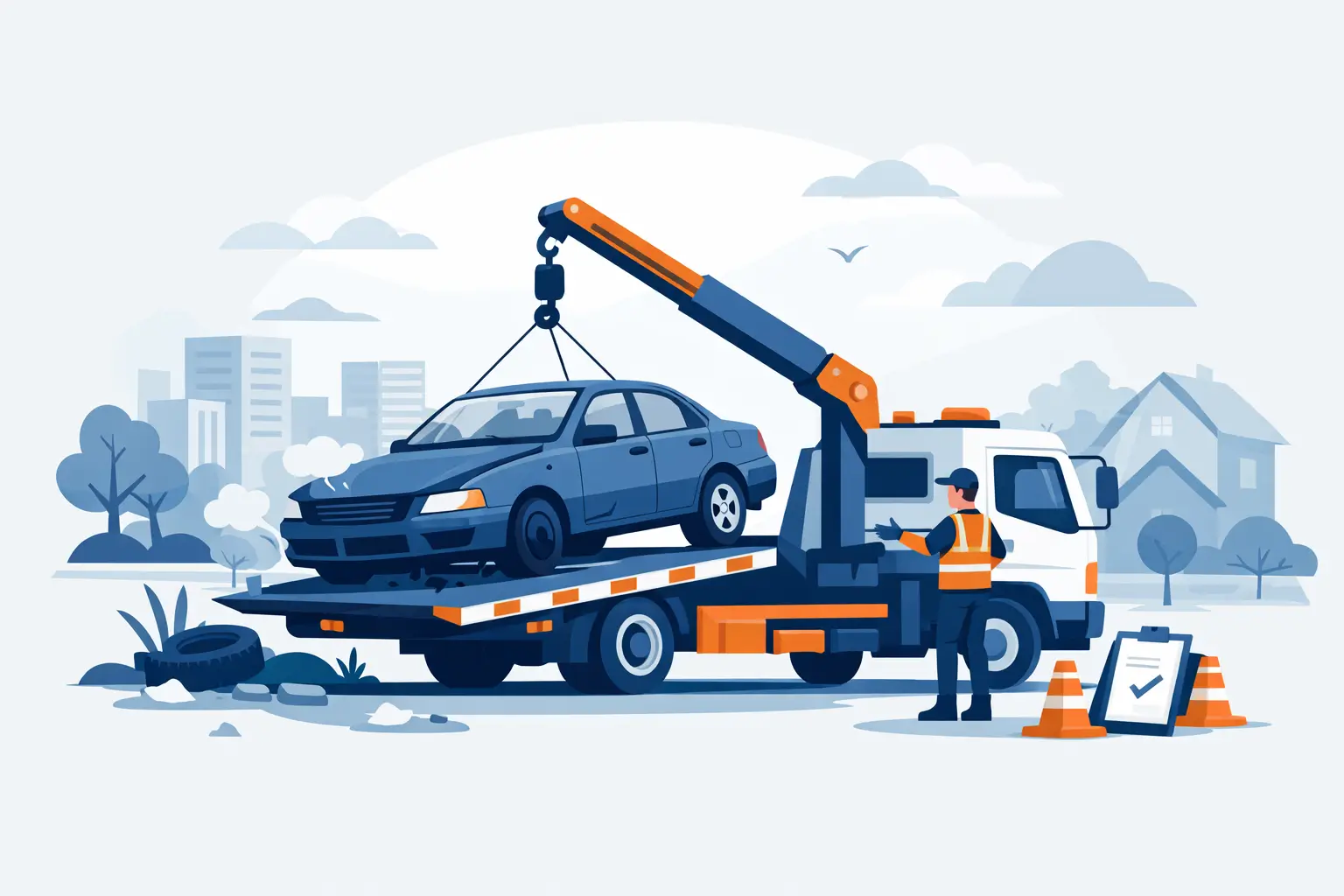
That dead vehicle sitting in a driveway, side lot, storefront corner, or back fence line is not just ugly – it turns into a problem fast. If you are trying to figure out how to remove abandoned vehicle headaches without getting buried in delays, the real answer depends on one thing first: do you own it, or did somebody else dump it on your property?
That distinction matters because the fastest legal move changes based on ownership, title status, and where the vehicle is parked. In South Florida, speed matters, but so does doing it right. The last thing you want is to pay for towing, deal with code issues, or chase paperwork longer than the vehicle has been sitting there.
How to remove abandoned vehicle from private property
If a vehicle was left on your property and it is not yours, you usually cannot just sell it, scrap it, or have any random hauler drag it away. A lot of people assume that if a car has not moved in months, it is fair game. It is not that simple.
Start by confirming the basics. Write down the make, model, color, plate number, and VIN if you can see it through the windshield. Take clear photos showing where the vehicle is parked and its condition. If there is any obvious damage, flat tires, missing tags, or signs it has been sitting for a long time, document that too.
Next, contact your local police non-emergency line, code enforcement office, or parking enforcement, depending on your city or county. In many cases, the vehicle has to be officially reported before removal can happen. Some local agencies will inspect it, run the plate or VIN, and determine whether it is stolen, illegally parked, or truly abandoned.
If the vehicle is on commercial property, apartment property, or a managed lot, there may also be posted-towing rules that apply. Property owners and managers often have different rights than a private homeowner, but they still need to follow local notice and towing rules. That is where people get tripped up. Fast removal is possible, but skipping procedure can create a bigger mess.
When a tow company can remove it
If local law allows towing from private property, an authorized towing company may be able to remove it after notice requirements are met. That might mean signage, a written complaint, or a waiting period. It depends on the municipality.
This is why there is no one-size-fits-all answer to how to remove abandoned vehicle cases on private property. Sometimes law enforcement handles the first step. Sometimes code enforcement does. Sometimes a licensed tow company can act once the legal boxes are checked.
If the abandoned vehicle is actually yours
This is the easier situation, and usually the faster payday. If the car, truck, RV, trailer, bus, or semi-truck belongs to you, but it has been sitting so long it feels abandoned, you have more control over the outcome.
At that point, removal is less about reporting it and more about proving ownership and choosing the quickest exit. If you have the title, great. If you do not, you may still have options, but the process can take longer depending on the vehicle type and condition.
Owners usually have three realistic routes. They can tow it to a repair shop, try to sell it privately, or sell it directly to a local vehicle buyer who removes it. Private sale sounds attractive until the no-shows start, especially if the vehicle does not run. Repairing it only makes sense if the math works. A lot of abandoned-looking vehicles need more money than they are worth.
For many South Florida owners, the fastest move is selling the vehicle as-is and having pickup handled at the same time. That cuts out towing coordination, listing headaches, and the back-and-forth with strangers asking if it still runs after you already said it does not.
Title problems can slow removal down
A big reason people get stuck is paperwork. They know the vehicle needs to go, but they are missing the title, the registration is old, or the vehicle belonged to a relative.
If the vehicle is in your name and you lost the title, you may be able to apply for a duplicate title through the state before selling it. If the owner passed away or the vehicle is tied up in an estate, extra documents may be required. If there is still a lien on the vehicle, that has to be dealt with before a legal sale in many situations.
That is why the smart play is to ask upfront what paperwork is needed before scheduling removal. A straight answer saves time. Some buyers can work with more than just standard junk cars, but larger units like RVs, trailers, and commercial trucks often involve extra ownership details.
Vehicles with no keys, no wheels, or major damage
A rough vehicle can still be removable, but equipment matters. If it has no keys, locked steering, flat tires, flood damage, fire damage, or missing parts, mention that before pickup is arranged. The same goes for oversized vehicles or units stuck in soft ground.
A professional buyer or removal service needs the right truck, winch, and timeline. When you are upfront, the process moves faster and there are fewer surprises on pickup day.
How to remove abandoned vehicle and get paid instead of paying
This is the part most owners care about. If the vehicle is yours, you should not have to throw money at a problem just to make it disappear. In many cases, that so-called abandoned vehicle still has value as a junk unit, parts unit, scrap vehicle, or commercial asset.
That value depends on a few things: whether it is complete, whether major components are still there, how accessible it is, and what type of vehicle it is. A dead sedan is one thing. A non-running box truck, semi-truck, RV, or trailer is another. Bigger units can still bring money, but they also require the right buyer.
That is where a direct local buyer has an edge. Instead of paying a tow bill and then figuring out what to do next, you can often combine removal and sale in one step. The offer is based on the vehicle, the pickup is arranged, and you get paid when it is removed.
For South Florida owners, local matters. A company that already works from Lake Worth Beach to Homestead understands the traffic, the dispatch timing, the neighborhood access issues, and the difference between removing a dead car from a tight residential driveway and hauling off a disabled commercial vehicle from an industrial lot.
What to have ready before pickup
If you own the vehicle, gather your title if available, a photo ID, and any basic vehicle details you have. If the title is missing, say so right away instead of waiting until the truck arrives. If the vehicle is blocked in by other cars, clear a path if possible.
You should also remove personal belongings before pickup. Check the glove box, trunk, center console, under the seats, and any storage compartments. People leave behind toll transponders, tools, paperwork, plates, and even cash more often than you would think.
If the vehicle is on someone else’s property, make sure you have permission to complete the removal. If it is at an apartment complex, business lot, or storage yard, access rules can affect timing.
The fastest path in South Florida
If you are asking how to remove abandoned vehicle problems fast, the real answer is simple. If it is not your vehicle, report it and follow local removal rules. If it is your vehicle, do not let it sit there losing value while you pay the price in space, stress, and curb appeal.
A dead vehicle does not become less annoying with time. It just becomes one more thing hanging over your head. The smart move is to find out what paperwork you need, confirm who legally owns it, and choose a buyer that can remove it without wasting your day.
That is exactly why local sellers call Junk Auto Kings. When the goal is quick cash, fast pickup, and no nonsense, the royal treatment means getting that unwanted vehicle off your property and turning it into money instead of one more delay.
If that old vehicle has been sitting there long enough to earn the word abandoned, it has already taken enough of your time. Handle it the legal way, move fast, and get your space back.
